From the Archive
We Struggle with Posters: Reading a Revolution, 1945–1947
Through P.T.P.I. posters from 1945–1947, Artefak Kita looks at how design documented the changing demands of Indonesia’s early independence.
Prinvia Prichariel
Sept 21, 2026
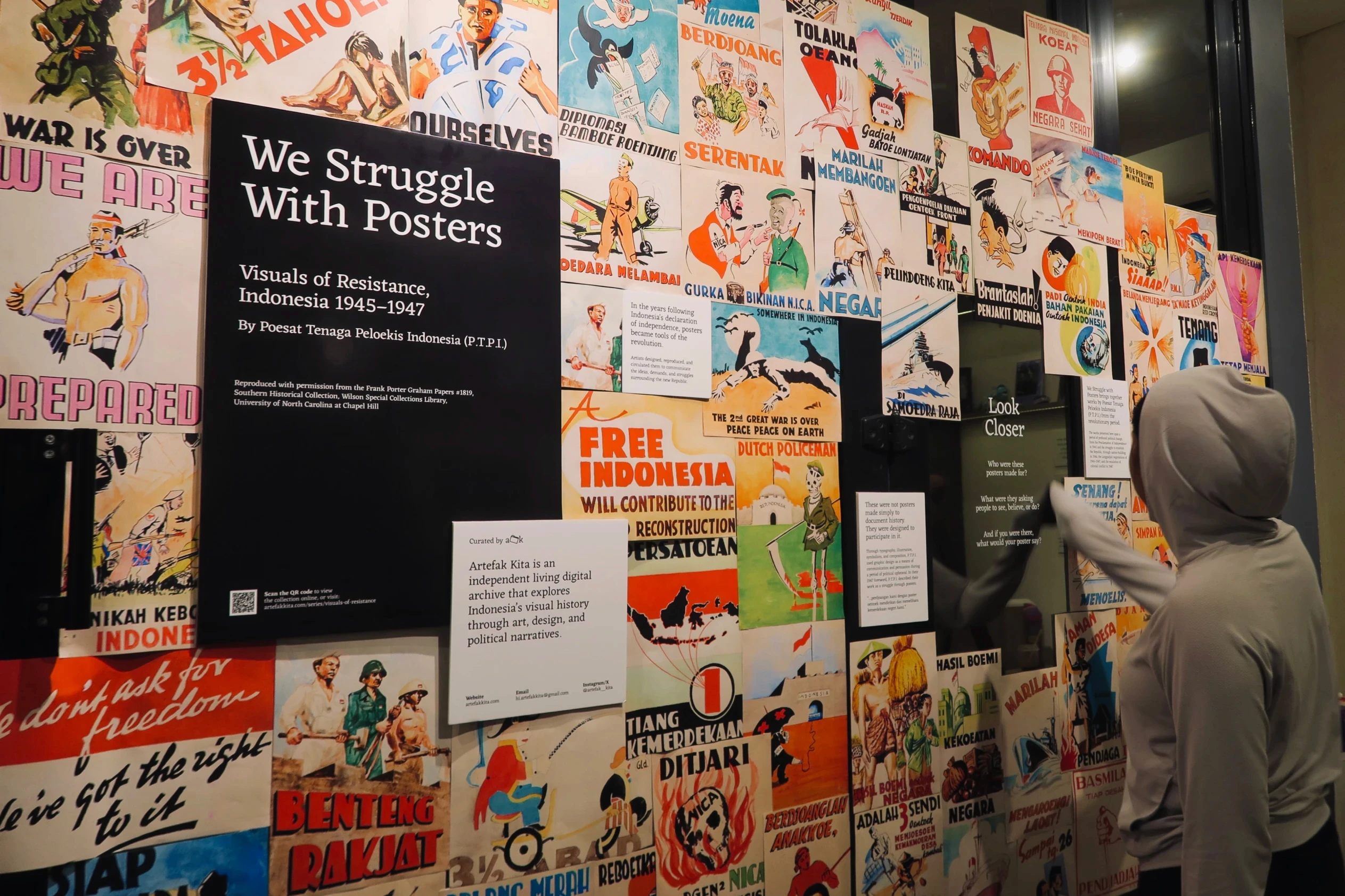
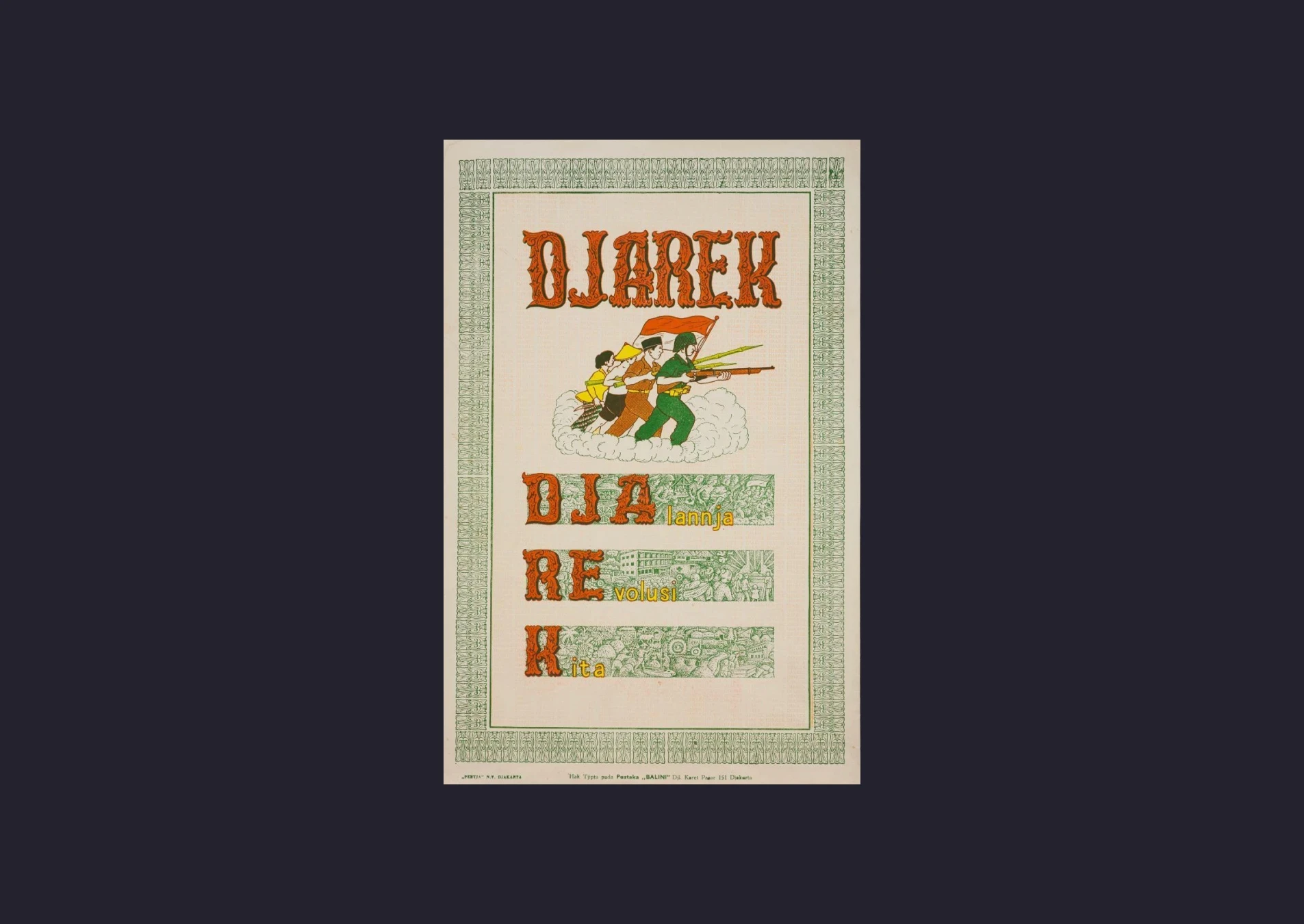
When we picture a resistance poster, we often imagine a soldier, a flag or a raised fist. Many posters from Indonesia’s early years of independence look like that. But by 1946, a surprising number were also about rice, clothing, literacy and money.
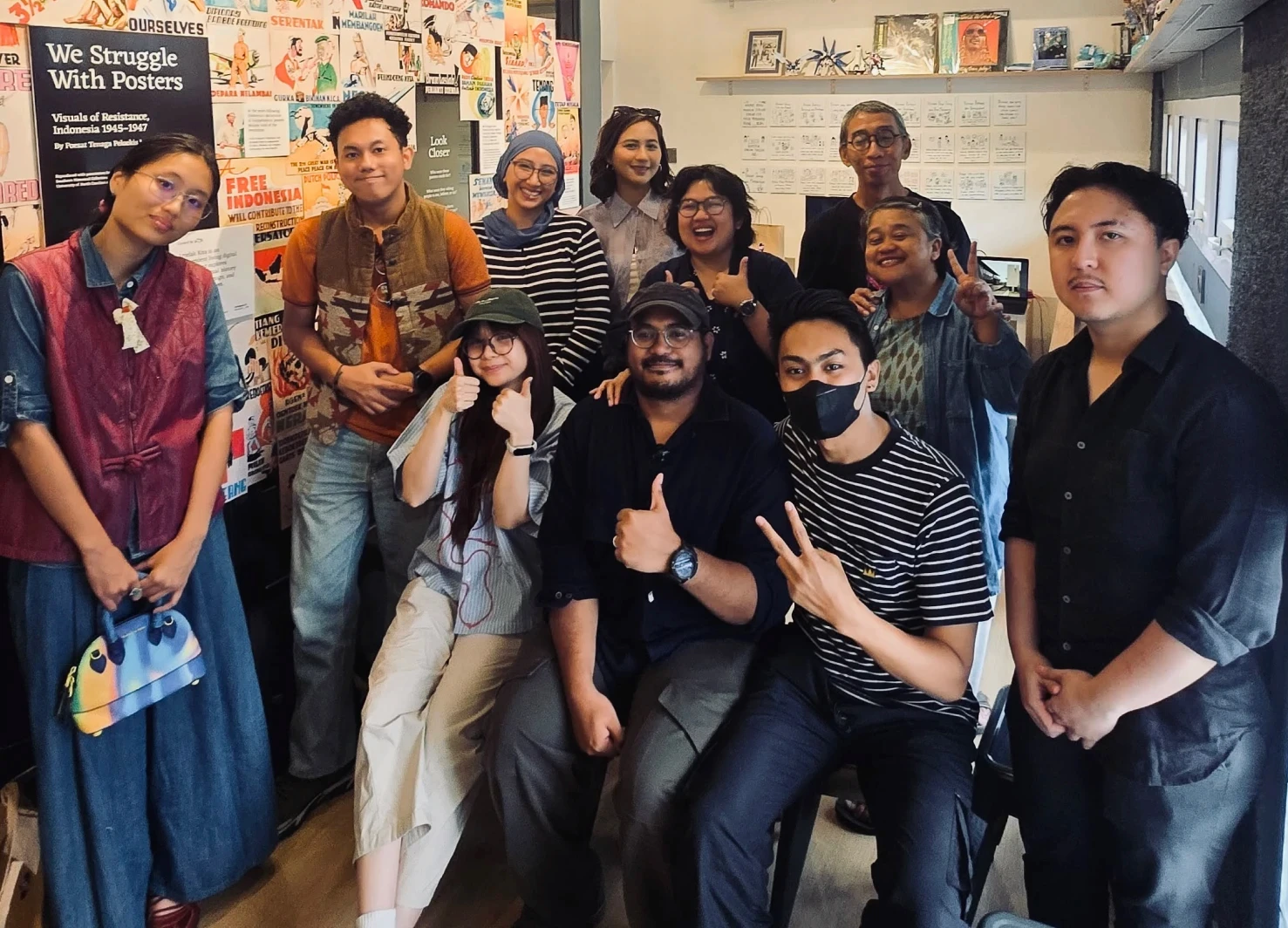
From 22 August to 13 September 2026, more than 60 of these posters were presented in “We Struggle with Posters” at Genius Loci, Jakarta, hosted by Adam Nurilman and Nisa Prasetyanto. It marked the first time Artefak Kita’s archive, which has lived online since 2024, entered a physical exhibition space.
The posters are associated with Poesat Tenaga Peloekis Indonesia (P.T.P.I.), a collective that used design as part of Indonesia’s struggle during the early years of the Republic. Like many records of Indonesia’s visual history, the materials are held in collections outside the country. Part of Artefak Kita’s work is to bring materials like these back into view in Indonesia, while acknowledging and crediting the institutions that preserve and hold them.
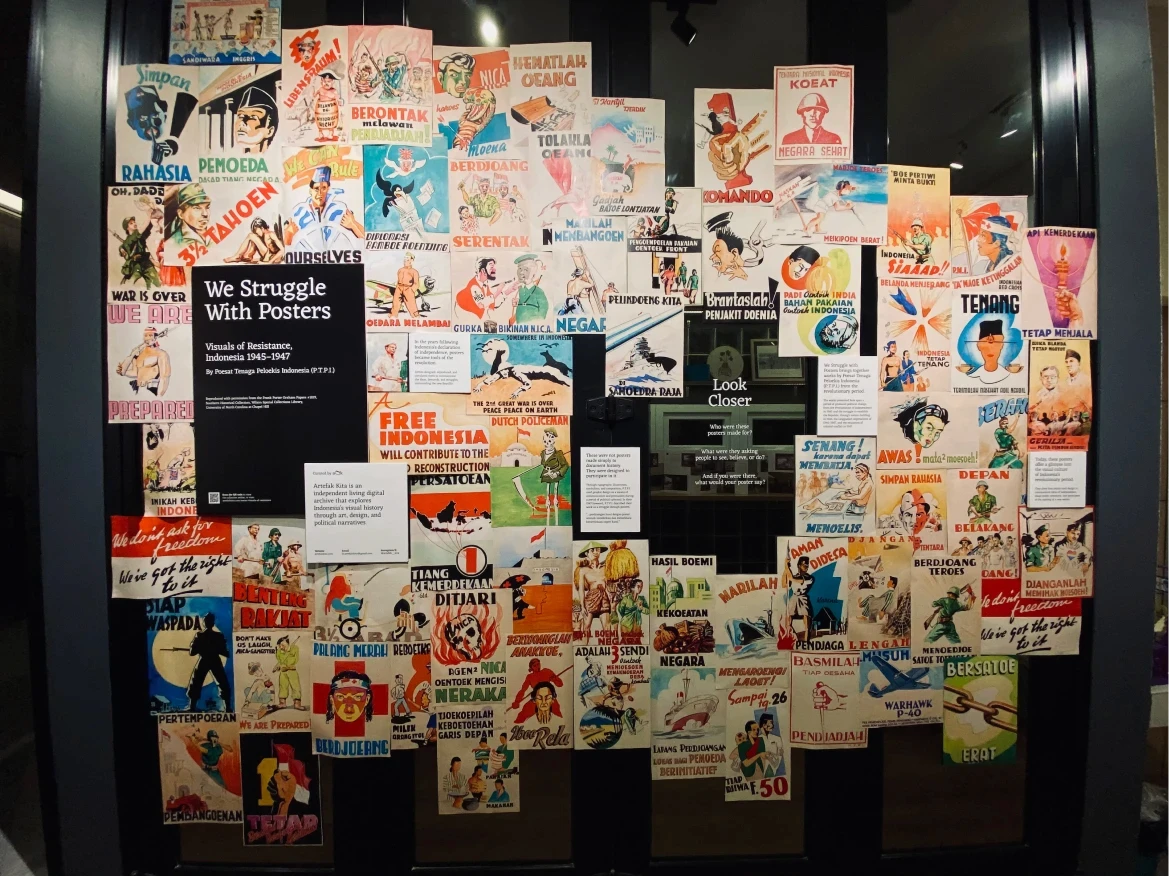
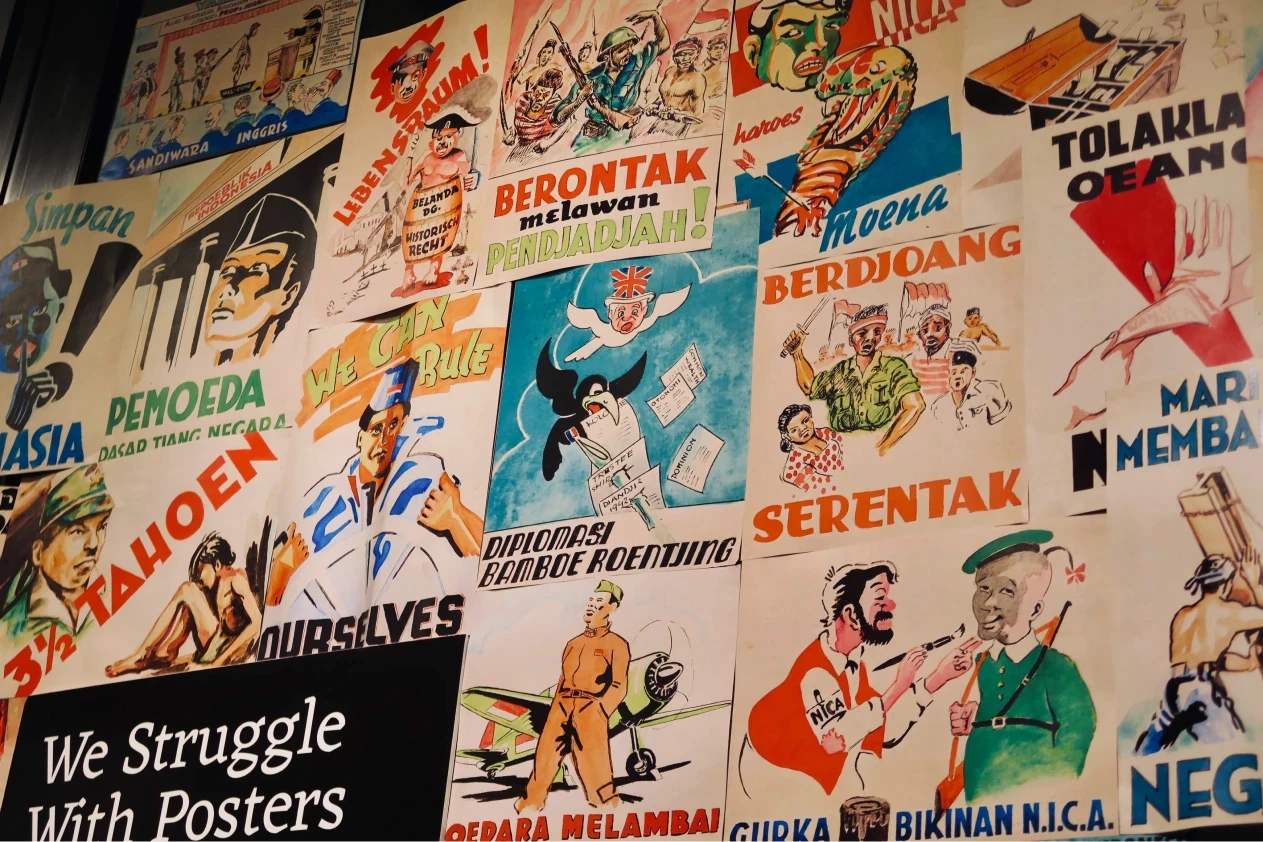
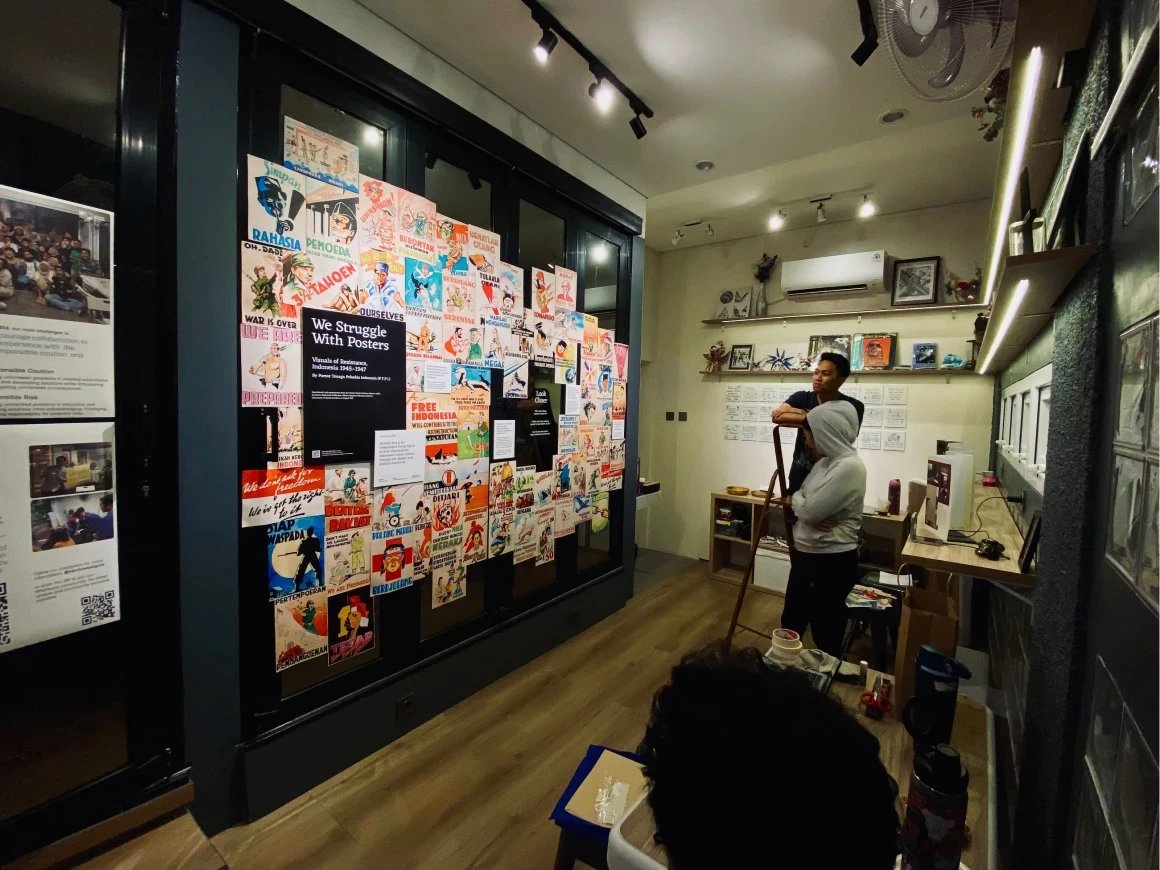

Reading a Revolution
The collection spans only a few years, but those years held very different ideas of what independence required. If we read it in order, the posters work almost like a record of a country trying to understand what it meant to become one.
In 1945, the language was declarative: freedom, unity, legitimacy. Some posters speak to Indonesians. Others are in English and speak outward like one that reads "Free Indonesia will contribute to the world reconstruction" , presenting an independent Indonesia as part of a world emerging from the Second World War.

"A Free Indonesia Will Contribute To The World Reconsturuction"
P.T.P.I., 1945
But declaring independence did not make it secure.
As Allied forces arrived to disarm Japanese troops and evacuate prisoners of war, Dutch authorities sought to re-establish colonial rule. The visual language changed accordingly. The posters shifted from announcing to warning. They named enemies, asked for vigilance and told people to keep information to themselves, as visualized in “Simpan Rahasia!” poster.
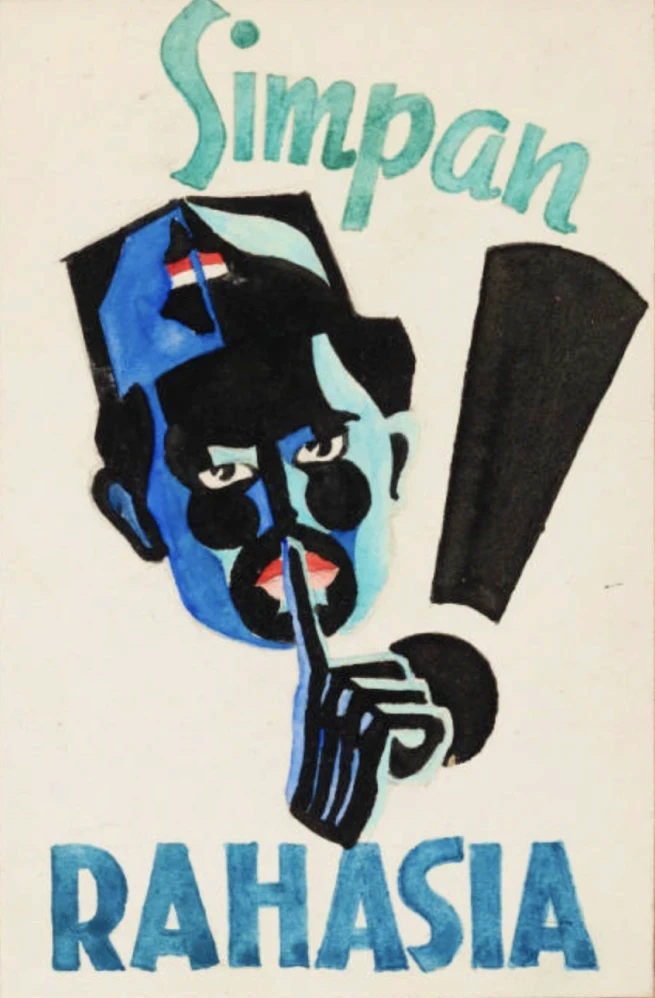
"Simpan Rahasia!"
P.T.P.I., 1945
By 1946, amid conflict and economic blockade, many of the posters began talking about things that appear surprisingly ordinary: rice, clothing, literacy, villages, money and natural resources.
The struggle was no longer represented solely as defending a declaration. It was also about making that declaration function.
A country needed food. It needed people who could read and write. It needed institutions, security, trade and its own currency. In 1946, Japanese occupation money and currency issued by the Netherlands Indies Civil Administration (NICA) were still circulating when the Republic introduced the Oeang Republik Indonesia (ORI). One poster, “Everyone F.50 Until 26-10-46,” helped communicate the transition, referring to the exchange rate established under Law No. 19 of 1946: fifty rupiah in Japanese-issued currency for one rupiah in ORI. Using ORI was therefore both a practical matter and a statement of which authority people recognised. Other posters addressed similarly everyday concerns, from agriculture and clothing to literacy and village life.

"Padi Oentoek India,
Bahan Pakaian Oentoek Indonesia"
P.T.P.I., 1946
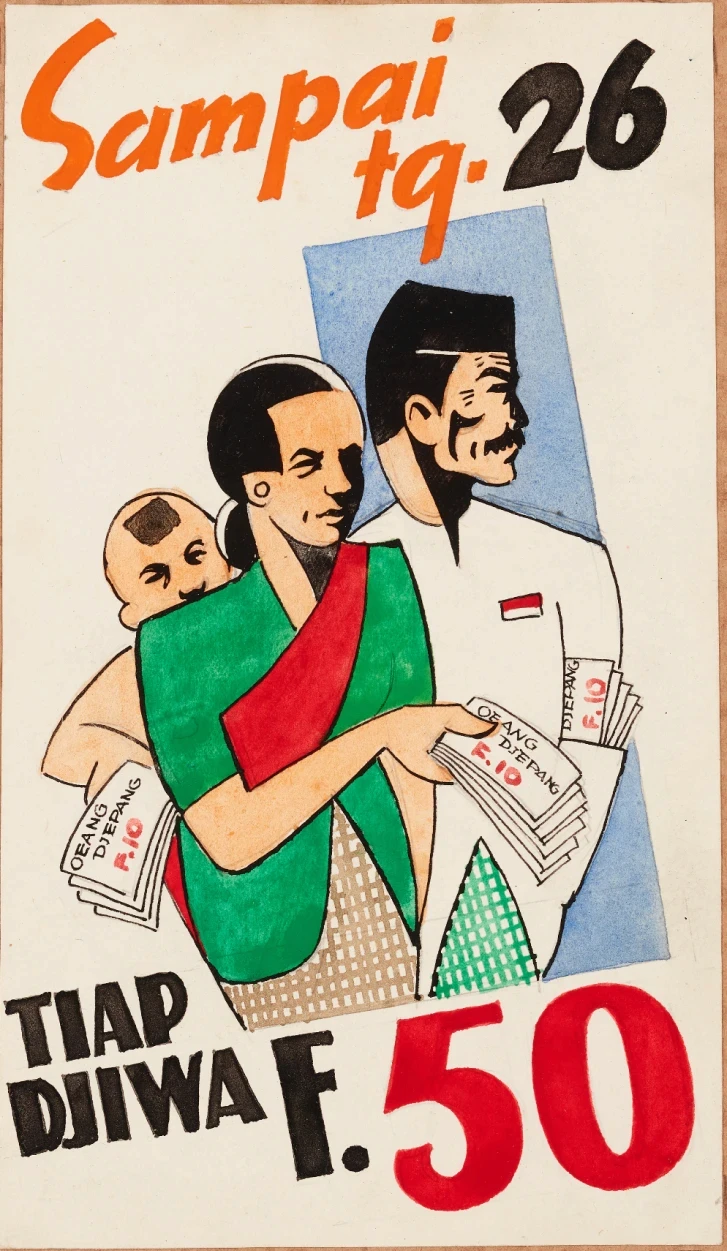
"Sampai tg.26, Tiap Djiwa F.50"
P.T.P.I., 1946
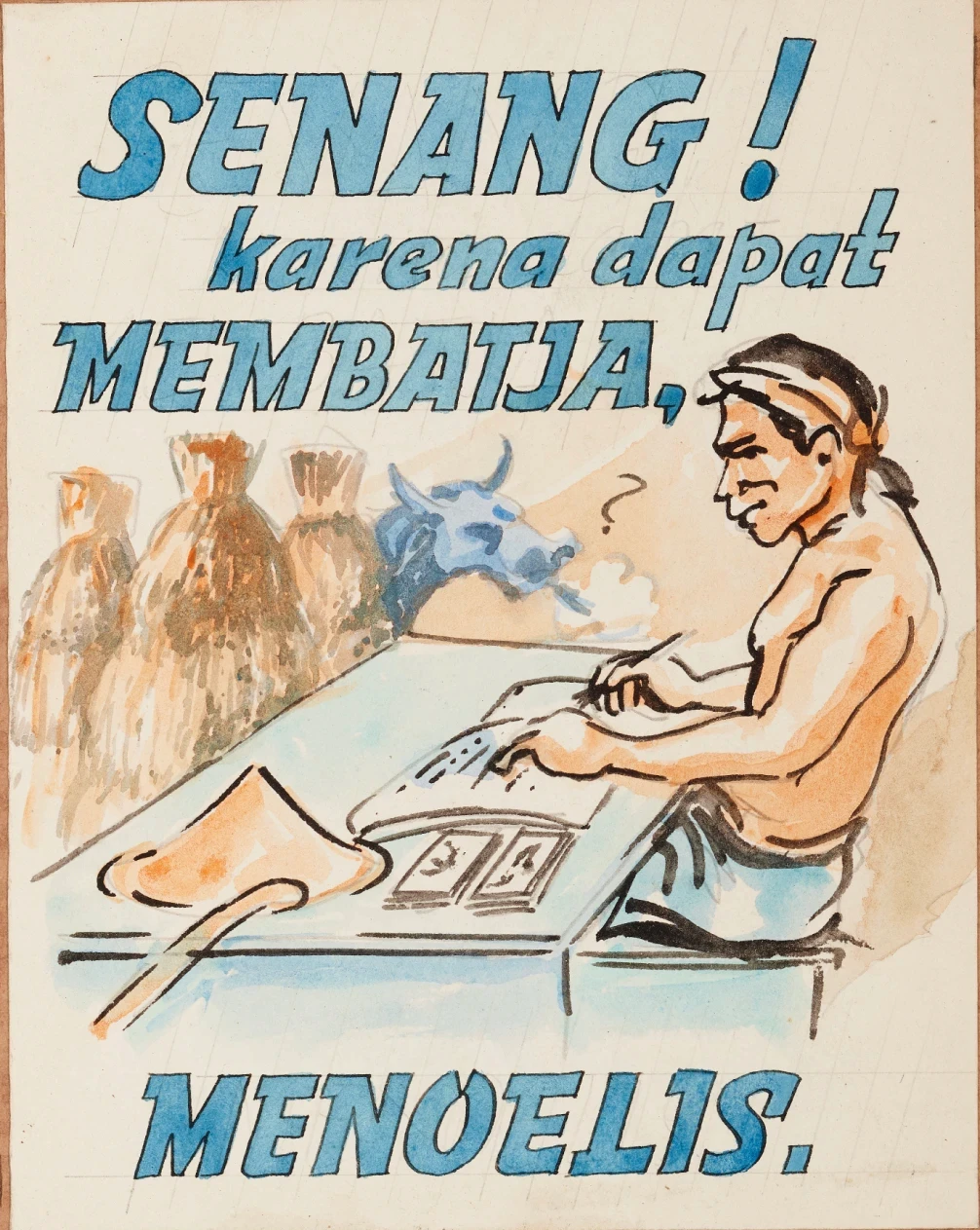
"Senang! Karena Dapat Membatja, Menoelis."
P.T.P.I., 1946
Seen together, they complicate the idea of what a “poster of resistance” might look like. Resistance could be an image of a soldier, but it could also be an image about reading, producing food or recognising which currency represented the authority of the new Republic.
By 1946 and 1947, diplomacy entered the visual vocabulary too. The Linggarjati negotiations became something that had to be communicated and interpreted by the public. And when negotiations deteriorated and the first Dutch military offensive began in July 1947, the posters returned once more to the language of enemies, secrecy, aircraft and survival.
Across these shifts, design followed the changing needs of the Republic: declare, defend, build, negotiate, defend again.
Bringing the Archive into Conversation
On 12 September, Artefak Kita also held a public discussion around the collection.
The session gave us an opportunity to look at the posters together, situating them within their historical circumstances while making room for questions, observations and different readings from those in the room. Throughout the discussion, details within the posters often became starting points for understanding the wider histories around them.
Some posters could be situated relatively clearly within events of the Revolution. Others required more caution. Propaganda, after all, was never intended to be a neutral record of events. Its exaggerations, caricatures and accusations can tell us something about how political actors sought to frame the world around them, without necessarily providing an objective account of it.
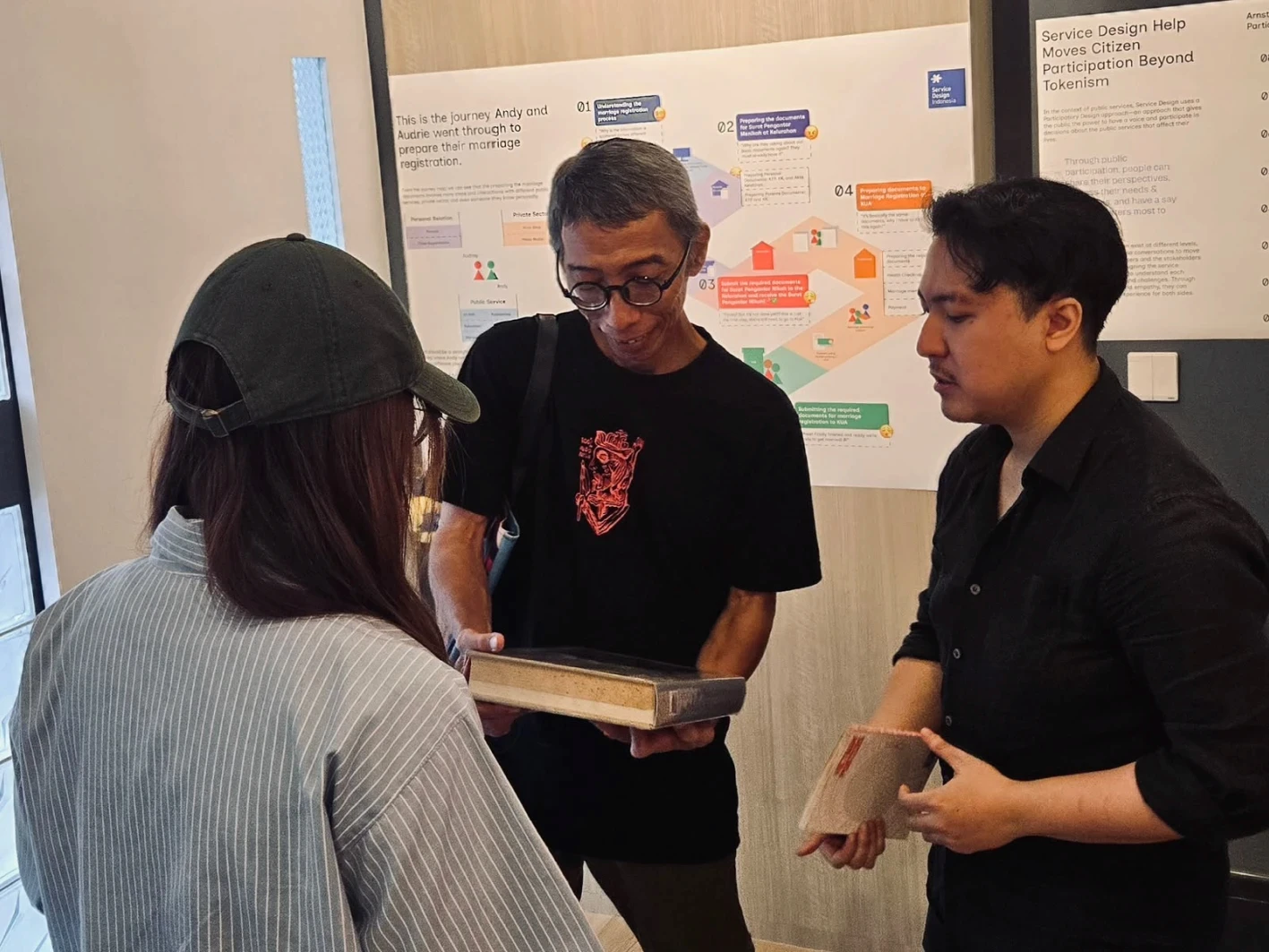
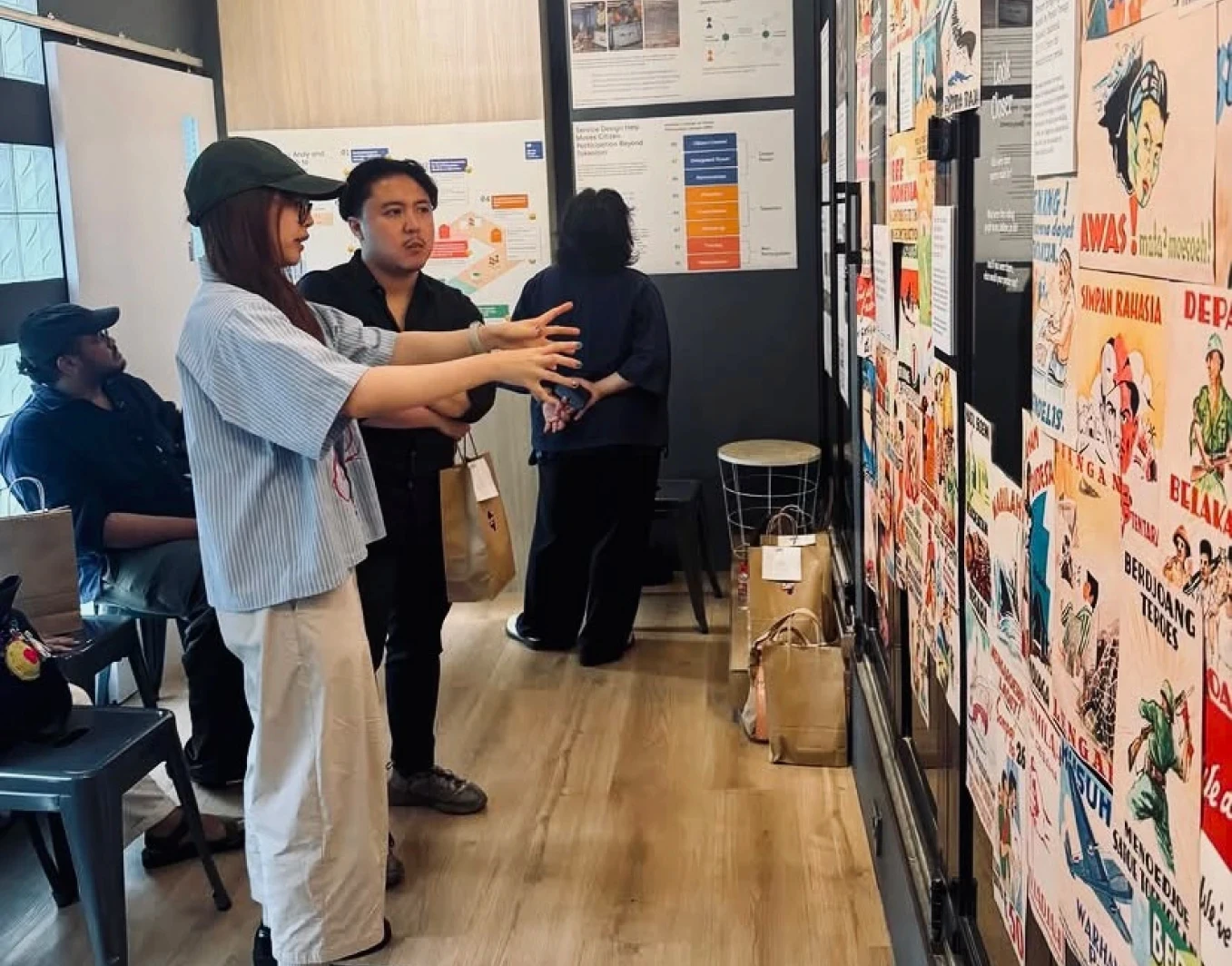

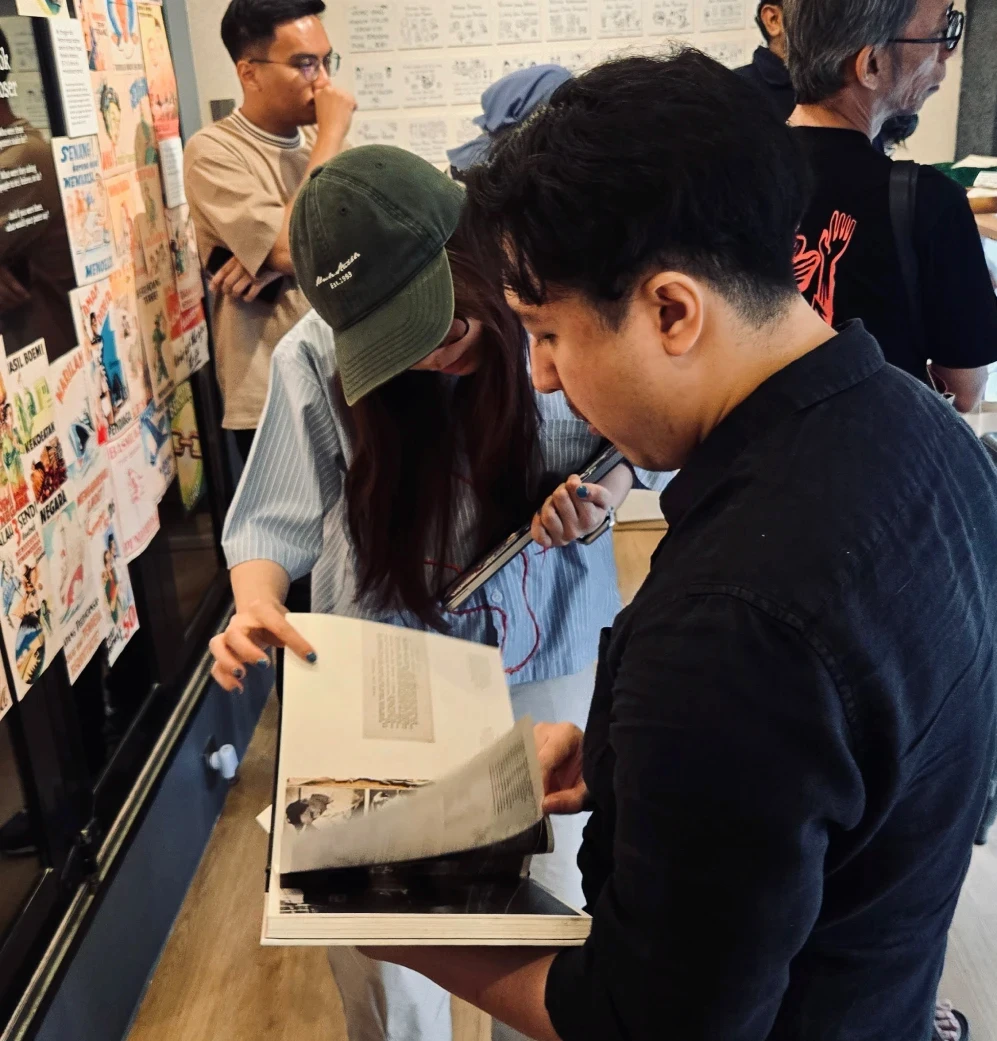
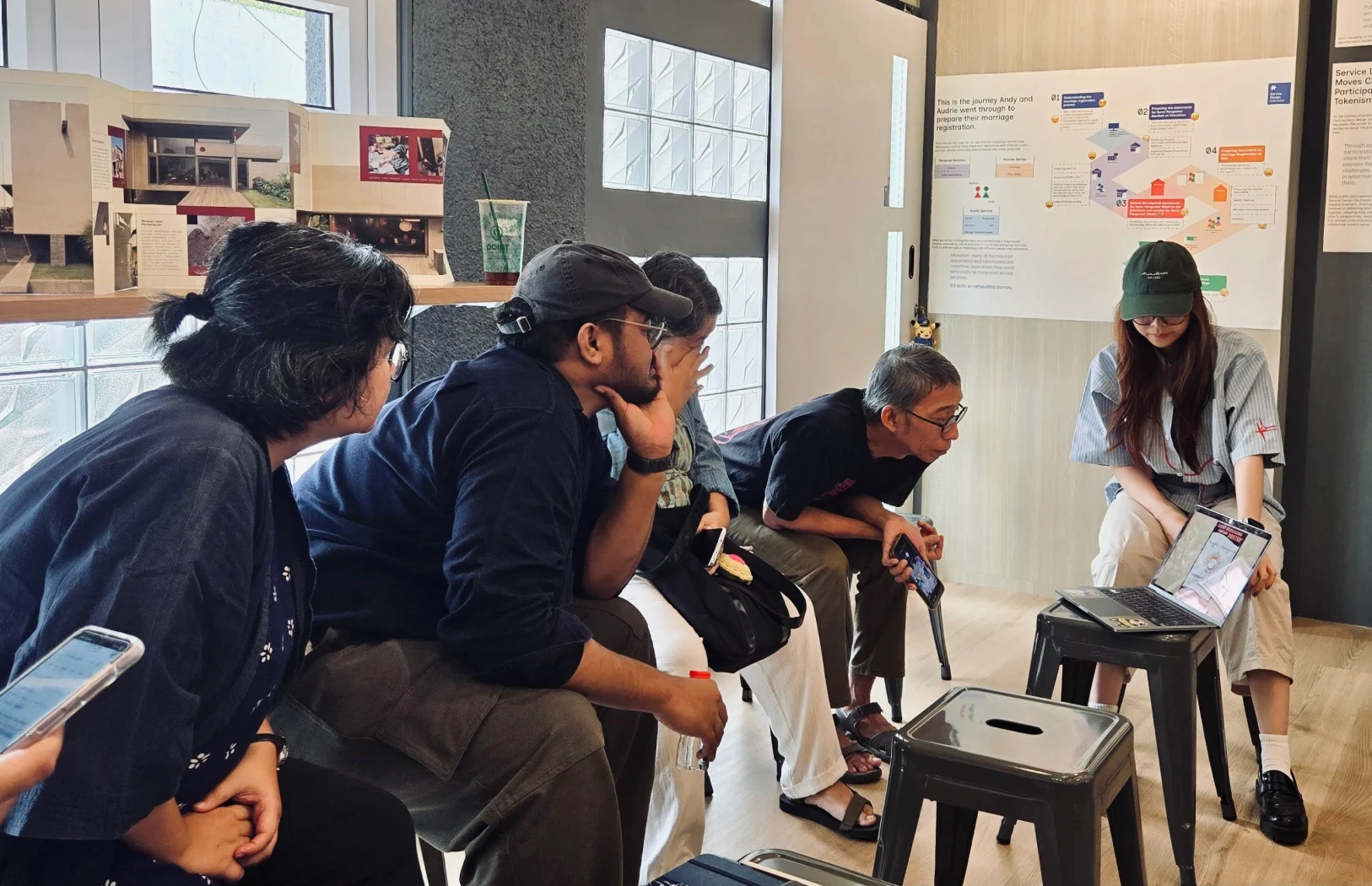

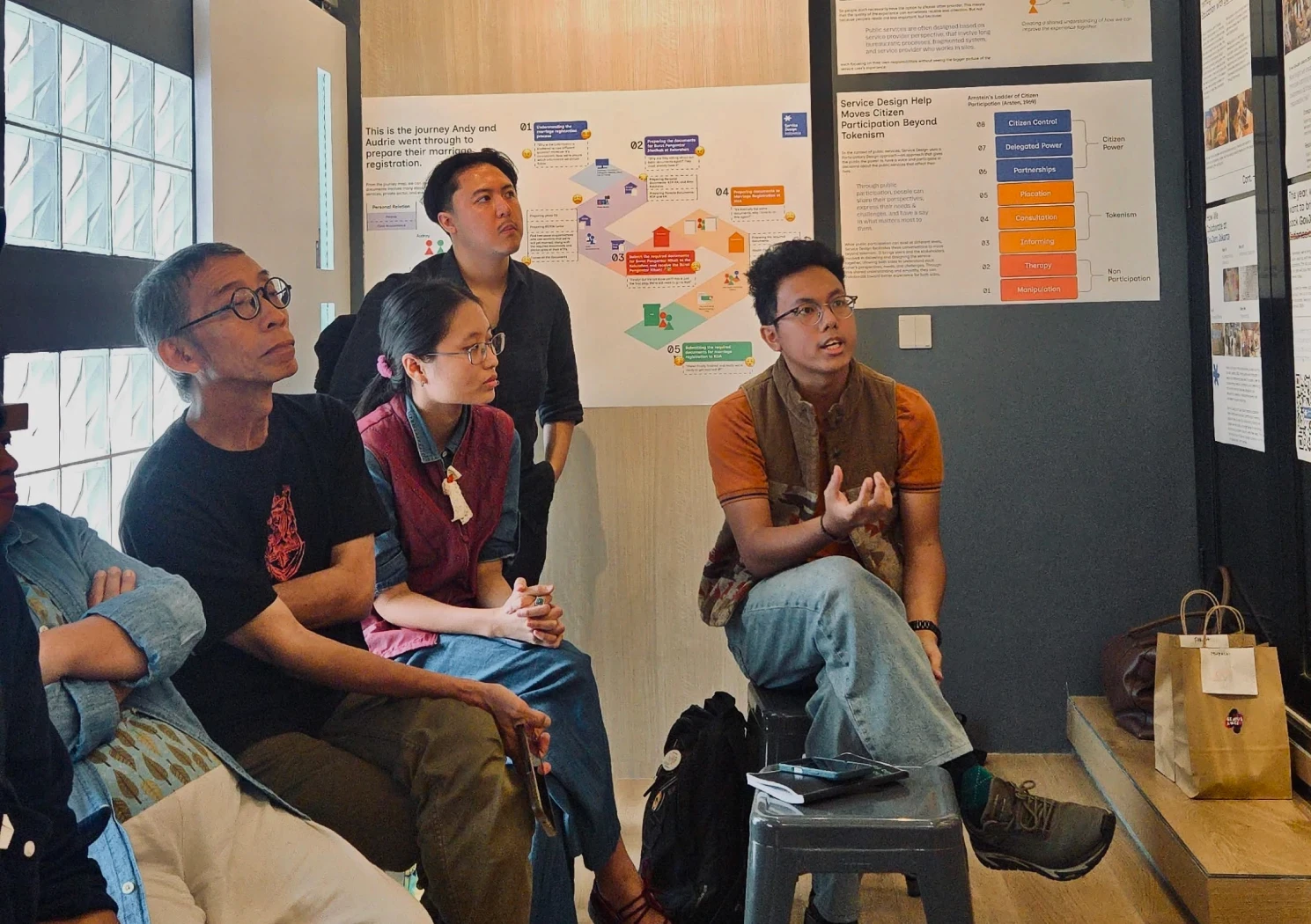
This became an important part of the discussion: understanding not only what we could learn from the posters, but also where our interpretations had limits. There are things we know, things we can reasonably interpret, and things that still invite further research.
For Artefak Kita, bringing the archive into a physical space also introduced a different way of engaging with the material. Online, we can share an object alongside the research and context we have gathered around it. In the exhibition, that research continued through conversations: people pointed to details, raised questions and occasionally noticed things we had not considered ourselves.
Perhaps that was one of the things we appreciated most about bringing the archive into the room. The posters were not only there to be seen, but to become starting points for conversations that could continue beyond what we had already researched.
Into New Spaces
This exhibition was our first experiment in what it might mean to bring Artefak Kita beyond the screen. We are grateful to Genius Loci for giving these materials a physical space, and to everyone who spent time looking, questioning and sharing their interpretations with us.
It also left us thinking about what other forms an archive might take when it is allowed to enter new spaces and meet new audiences.
If you hold a collection that deserves greater context, or a space where an archive could be encountered differently, Artefak Kita is open to collaboration. We research, contextualise and design ways for people to engage more closely with existing collections. For collaborations and enquiries, contact hi.artefakkita@gmail.com.
Credit
Written by Prinvia Prichariel
Edited by Naufal Hilmi