From the Archive
From the Things We Make to the Worlds We Shape
How can design shape civic participation and creative practice? A reflection on craft, democracy, and the role of design beyond its finished outputs, from two conversations at ADGI Design Week 2026.
Prinvia Prichariel
Nov 16, 2026

Design is often understood through what it produces: an image, an object, a publication, a space, or a system. But what about the decisions, processes, people, and possibilities that remain unseen, or never quite come to life?
On 17 October 2026, Artefak Kita collaborated with Museum DGI to bring together two conversations as part of ADGI Design Week 2026, exploring two seemingly different territories of design: design as craft and design as civic practice.
The first talk was titled “Yang Tidak Terwujud: Desain, Partisipasi, dan Demokrasi”, where we explored how design might open up new spaces for civic participation. The second talk was “Resolusi Rendah, Rasa Baru: Memaknai Proses di Era Otomasi”, where the discussion turned its attention to the act of making, asking what happens to craft and creative processes as automation becomes increasingly capable.
Together, they ask us to look beyond what we make today and consider what it might set in motion tomorrow.


What does it mean to participate in shaping a future, rather than simply inherit one?
It is easy to treat the cities we live in, the systems we depend on, and the decisions that affect our everyday lives as fixed.
Yang Tidak Terwujud: Desain, Partisipasi, dan Demokrasi brought together Satrio Ganjar, service designer; Aulia Amanda Santoso, Country Director of Mindworks and Coordinator of Demokrasi Kita; and Aloysius Efraim Leonard, founder of Kenapa Harus Peduli. Moderated by Prinvia Prichariel of Artefak Kita, the discussion explored how design can move beyond communicating public demands towards creating opportunities for more people to participate in shaping their future.
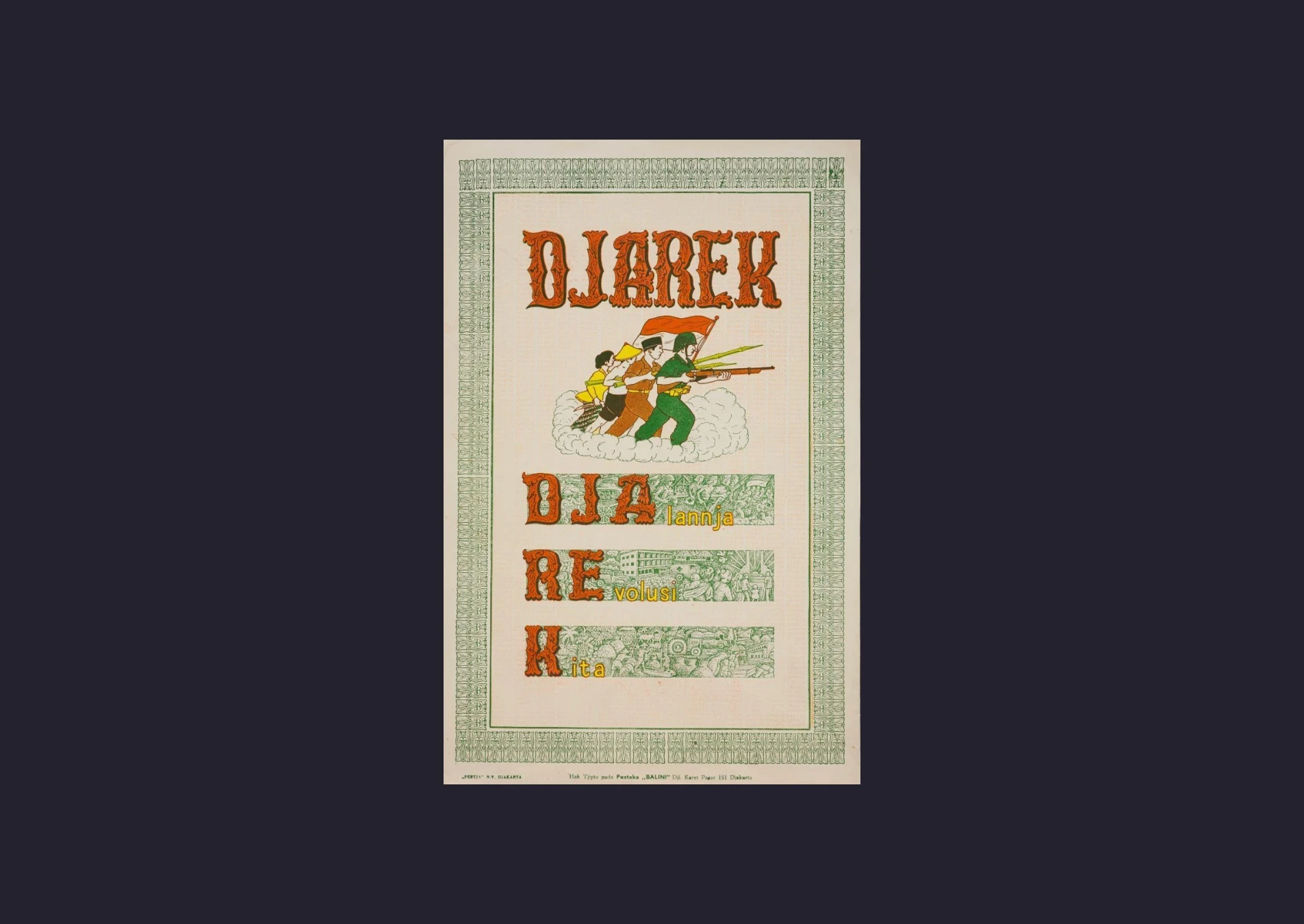
The conversation reflected on how certain civic concerns continue to resurface across generations. While the visual language and platforms of public expression continue to evolve, the questions behind them often persist. Posters, campaigns, and visual communication can make collective concerns visible, but how can visibility translate into meaningful participation?
One idea emerged at the centre of the discussion: that imagination is part of democracy. Before a future becomes policy, infrastructure, or public reality, someone has to imagine it. Yet the opportunity to imagine and shape that future is not equally distributed.
The conversation explored how design might bring more people into imagining possible futures through practice. Manda shared participatory exercises on imagining Bandung in 2035 and exploring alternative public transport futures. Efraim discussed how Kenapa Harus Peduli campaigns help people look beyond the surface of an issue to understand the systems behind it, while Ganjar shared how we can co-design a walking tour about mass demonstrations.
These projects showed how designers can act not only as problem-solvers, but as facilitators, making complex issues tangible and creating spaces for people to contribute their knowledge and perspectives. Design alone cannot settle who gets a say, but it can open up more ways for people to contribute ideas about what could come next.

“Yang Tidak Terwujud: Desain, Partisipasi, dan Demokrasi”
Since participation was at the heart of the discussion, we wanted to bring the conversation beyond the speakers and into the room. We closed by inviting the audience to reflect on one question:
“As designers, what role do we want to take in strengthening democracy and civic participation?”
The responses reflected different ways of taking that responsibility: making design less elitist, using creative skills to address social needs, opening up policymaking to public participation, or simply starting conversations about politics within their own families and communities. While their aspirations varied, they shared a desire to use design as a way to contribute to something beyond themselves.
As one participant put it, “I want to design a better life for everyone.”
While imagining something better is not the same as knowing how to achieve it, it gives us a reason to question what exists and explore what could be different. Design's civic role is not to provide all the answers, but to make room for more people to help shape them.

Audience Responses
What if making something is just as important as what we make?
If the first conversation looked outward at how design can shape the conditions of collective life, “Resolusi Rendah, Rasa Baru: Memaknai Proses di Era Otomasi" turned inward, towards the act of making itself.
The discussion brought together three practitioners working across different forms of making: Daud Sihombing, founder of Petrikor Books and author of Notes on Riso: A Printing Method and a Tool for Publishing; Michael Alexander, Principal Designer of SANROK, whose practice explores pixel art across illustration, typography, code, and interactive experiences; and Annisa Faradila, an artist and filmmaker whose work embraces the constraints of shooting and developing film. The conversation was moderated by Ritchie Permadi, Co-Founder of SURD Studio.
Digital cameras with grainy sensors, analogue film, pixel art, and risograph publications have found renewed appreciation. Their imperfections and limitations are no longer simply technical shortcomings. They have become qualities worth seeking out.
But perhaps the attraction goes beyond aesthetics.


Working with a medium means learning its behaviour, understanding its constraints, and discovering what can emerge from working within them. A pixel is not just a unit of resolution; it is a decision about what to show and what to leave out. Analogue film asks for a different relationship with time, material, and uncertainty. Risograph is more than a recognisable visual effect; it is a printing process with its own possibilities and limitations.
In each case, the process is not separate from the work. It helps define what the work becomes.
So, at a time when digital tools can produce increasingly polished images with remarkable speed and precision, what remains meaningful about the human act of making?
Perhaps it is not simply the ability to produce something that looks good. It is the understanding developed through practice, the sensitivity to a material, and the intention behind each decision. As the speakers reflected, learning a medium can also mean learning about oneself.
Craft, then, is not necessarily a nostalgic return to the past. It is a way of staying attentive to the relationship between the maker, the material, and the process. In a culture increasingly oriented towards speed and replication, choosing how to make something becomes meaningful in itself. Much of what that process teaches, from the techniques and constraints to the decisions made along the way, is rarely visible in the finished piece.

“Resolusi Rendah, Rasa Baru: Memaknai Proses di Era"
What we preserve today can shape what we create tomorrow
At first, craft and civic participation might seem like distant ends of the design spectrum. Yet both remind us that design is never only about its final output. How something is made matters, as do the people, decisions, and perspectives that shape it.
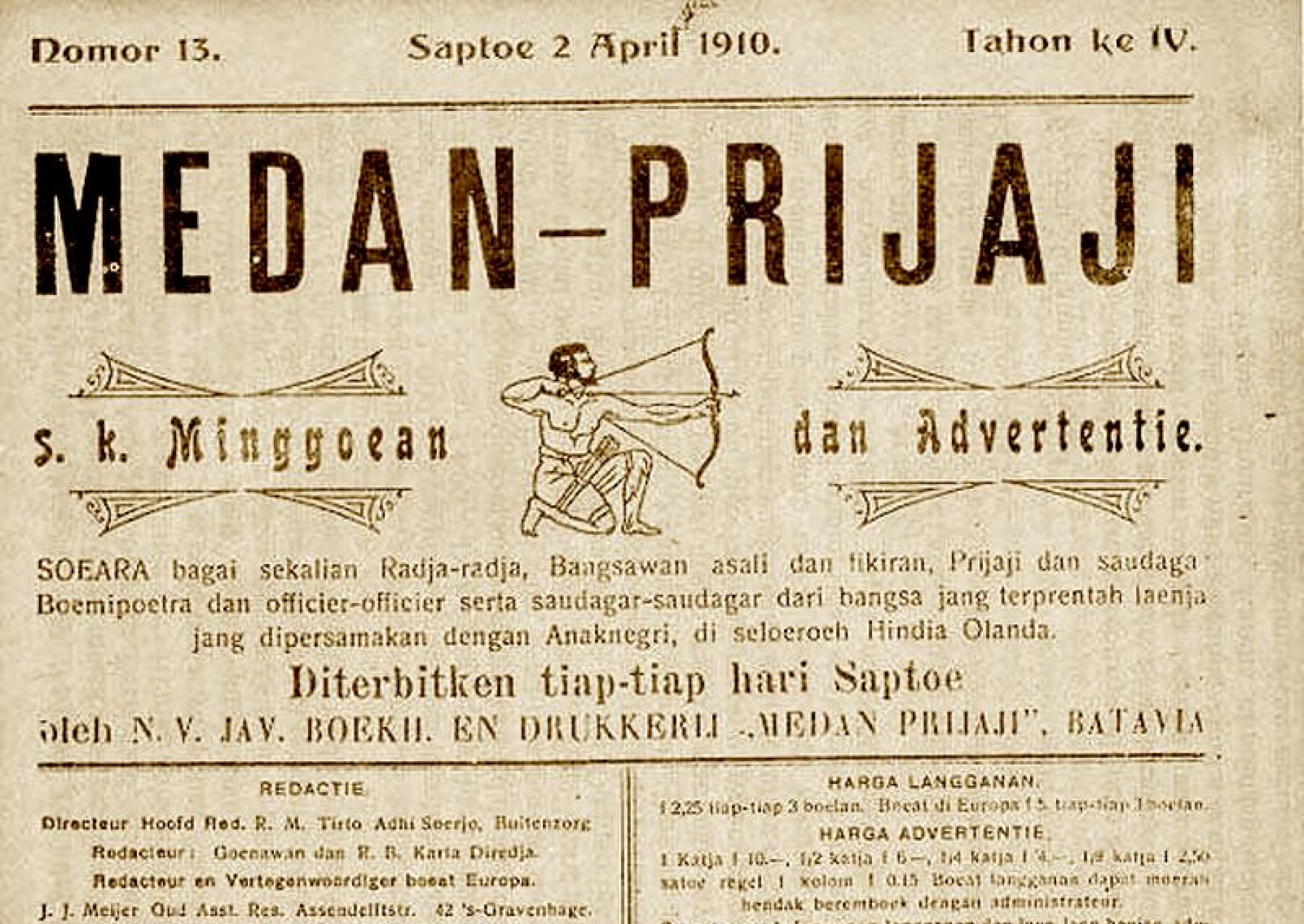
This is where archives matter. Beyond preserving finished objects, they can hold the knowledge behind them: the processes, experiments, techniques, and perspectives that might otherwise disappear. What gets preserved, however, is never a given. It reflects choices about whose knowledge is recorded and what is left out. Revisiting and contributing to archives allows us to bring overlooked perspectives forward and give existing ideas new possibilities.
As designers, we inherit more than visual references and techniques. We inherit ways of thinking, knowledge accumulated through practice, and questions left unresolved by those before us. What we choose to document and preserve today will become part of what others can build upon tomorrow.
What we make, how we make it, who we make it with, and what we choose to preserve will shape what others can imagine and build upon.
Credits
Written by Prinvia Prichariel
Edited by Naufal Hilmi