From the Archive
Archives from the Future: What Could the Past Become?
What if objects from the past could help us imagine the future? Inside a speculative archiving workshop exploring how familiar artefacts might transform in the world of 2050.
Prinvia Prichariel
Nov 16, 2026

An archive is often associated with looking backwards. It preserves traces of what people made, what they valued, and how they lived in a particular moment. But what if we used those traces to look ahead? What if an object from the past could become a starting point for imagining a future that has yet to exist?
On 17 October 2026, Artefak Kita collaborated with Museum DGI and Further Reading to hold "Apa Nasib Sebuah Arsip?", a speculative archiving workshop at Art & Science, ASHTA District 8.
The premise was simple: people were asked to choose an object from the Museum DGI exhibition, understand what it meant in its time, then imagine what it might become in 2050. The workshop invited participants to question how changing social conditions, ways of living, and relationships with technology might transform the objects around us.
What happens to a magazine when information is no longer bound by paper? Could a computer mouse become a source of energy? And what might an old storage device mean in a world where access to information is no longer guaranteed?
The answers were not meant to be predictions. They were possibilities.


Looking backwards to imagine forwards
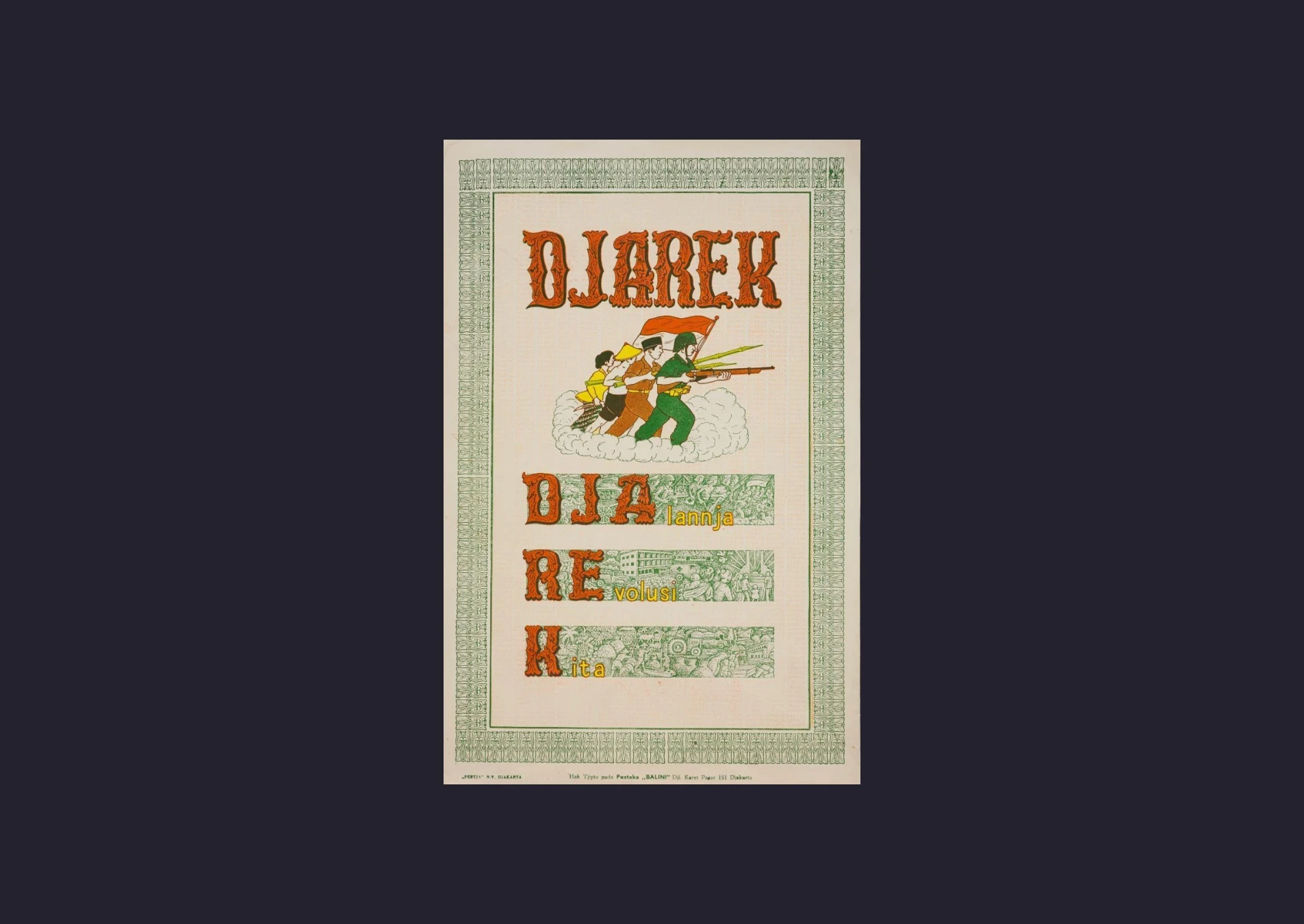
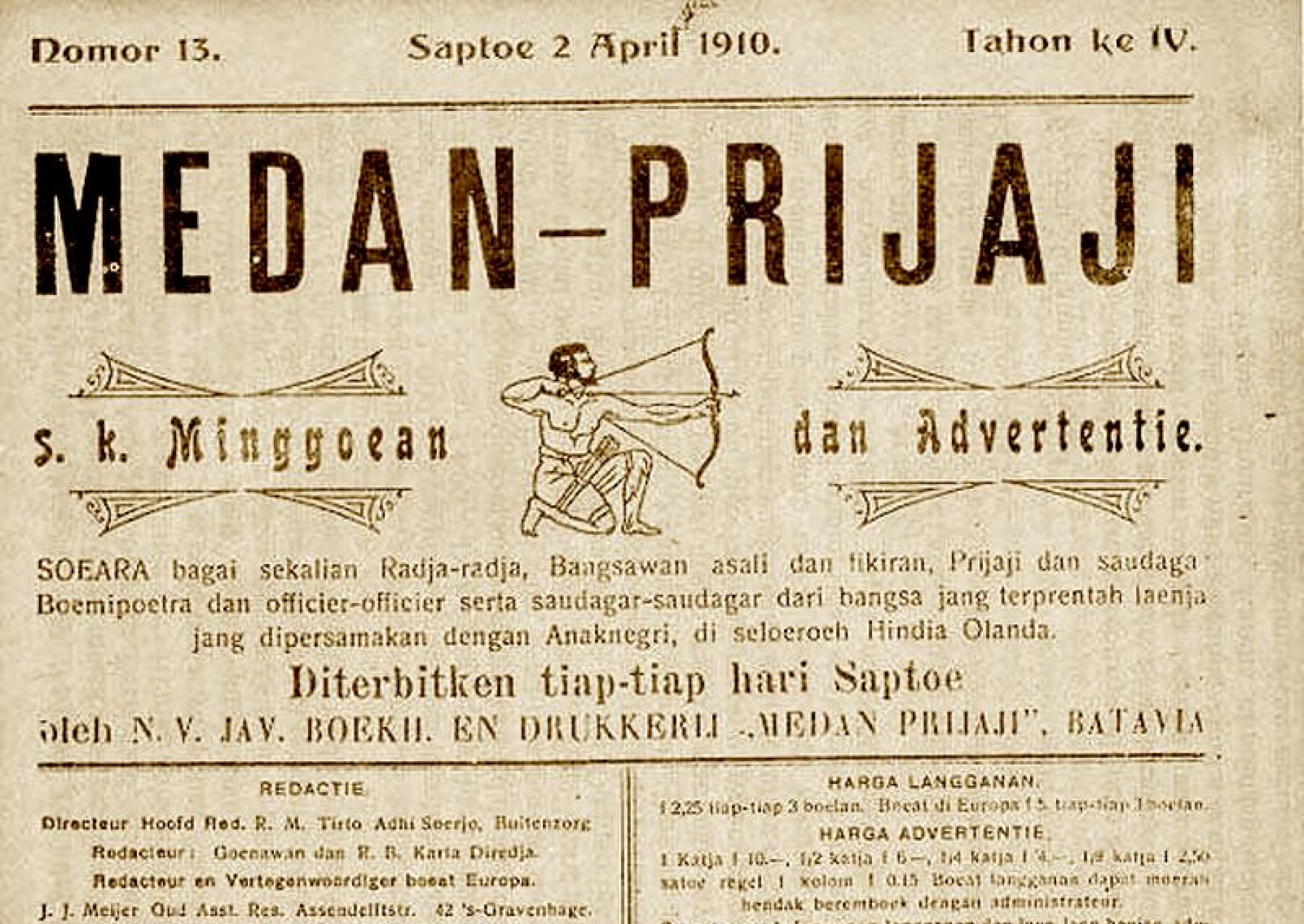
Participants began by exploring the Museum DGI exhibition and selecting an artefact that caught their attention, from magazines and publications to everyday technologies. Before imagining what it might become, they first looked at what it had been: who it was made for, what purpose it served, and what made it relevant to its time. After all, understanding where an object comes from is the first step towards imagining where it could go.
Then came the leap to 2050. Drawing on futurist Jim Dator's four imagined futures, participants explored Tumbuh (Growth), Runtuh (Collapse), Disiplin (Discipline), and Berubah (Transformation), from a world of rapid technological advancement to one shaped by scarcity, systemic failure, or entirely new ways of living.
Each scenario offered a different lens to reconsider the objects: what might change, what could remain, and what new purpose might emerge when the world around them changes? These scenarios were lenses for thinking, not four predictions of what 2050 will look like.
Participants then developed their ideas into new artefacts, drawing its imagined form and documenting its function and story on a worksheet. The result was a collection of speculative objects, each carrying a piece of the past into a possible future.


What might these objects become?
A magazine could become something more than a publication. A 2002 issue of Blank!, published to support creative practices in Indonesian art and design, was imagined as a holographic interactive magazine, bringing together the functions of Pinterest, Behance, and Instagram in one device for inspiration, moodboards, and creative exchange.
A CD-R from 2005, once used to store and share information, took on a different role as a data plantation: a sun-powered disc connected to a control panel, giving people access to stored knowledge in a world where resources are increasingly limited.
Other ideas pushed the relationship between people and technology further. A drawing tablet became an image maker, a head-connected device that translates thoughts directly into digital visuals, keeping human creativity at the centre of the process. A wired computer mouse, meanwhile, became an energy generator, turning each click into a small source of power for essential devices in a world facing systemic collapse.
Even familiar forms of publishing found new lives. A Ripple lifestyle magazine evolved into a hybrid home device combining a music instrument, tablet, and cloud-based magazine, allowing anyone to create music and share it through a digital catalogue. Meanwhile, a collection of magazines from 1998-2002 inspired the Zinepill: a pill-shaped knowledge archive imagined for learning, leisure, and people living with Alzheimer's, as a speculative concept rather than a tested solution.
Somewhere between a publication, a device, and an entirely new kind of infrastructure, these imagined objects began to take shape. Their original functions were not necessarily abandoned; they were reinterpreted in response to the needs of another time. Each carried a question of its own, such as how creative exchange might change, who can reach stored knowledge when resources run short, and what role human creativity plays alongside technology.

The People Who Imagine
An Archive of Possibilities
What connects these imagined objects is not their futuristic appearance, but the questions behind them. By placing familiar objects in unfamiliar circumstances, participants explored how their original functions might evolve to meet different needs. Through speculative design, they opened up possibilities for 2050 while questioning the direction in which we are heading today.
In doing so, these imagined futures also reveal something about the present. What people choose to preserve, reinvent, or leave behind reflects what they value, worry about, and hope for today.
At the end of the workshop, participants' drawings and descriptions became contributions to Arsip dari Masa Depan. Moving from reading an archive to contributing to one, they created records not of events that had happened, but of futures they imagined.
Read years from now, these contributions may offer a glimpse into how people in 2026 understood their world and what they believed was possible. Some ideas may seem unlikely; others may resonate in ways their creators never anticipated. Their value lies not in whether these futures come true, but in preserving the imagination of the time that produced them.
Perhaps an archive can do more than help us understand the past. It can also hold the possibilities people once imagined, allowing future generations to revisit, question, and build upon them.
Credits
Written by Prinvia Prichariel
Edited by Naufal Hilmi